Backward Medicine Ball Throw
Backward Medicine Ball Throw, bir sağlık topunu patlayıcı bir şekilde başınızın üzerinden geriye doğru fırlatmayı içeren bir plyometrik egzersizdir. Bu egzersiz öncelikle sırt, omuzlar ve kollar da dahil olmak üzere vücudun üst kısmındaki kasları hedef alırken aynı zamanda stabilite ve koordinasyon için çekirdek kasları da çalıştırır. Güç ve kondisyon antrenmanlarında yaygın olarak kullanılan egzersizi şu şekilde gerçekleştirebilirsiniz:
Nasıl yapılır:
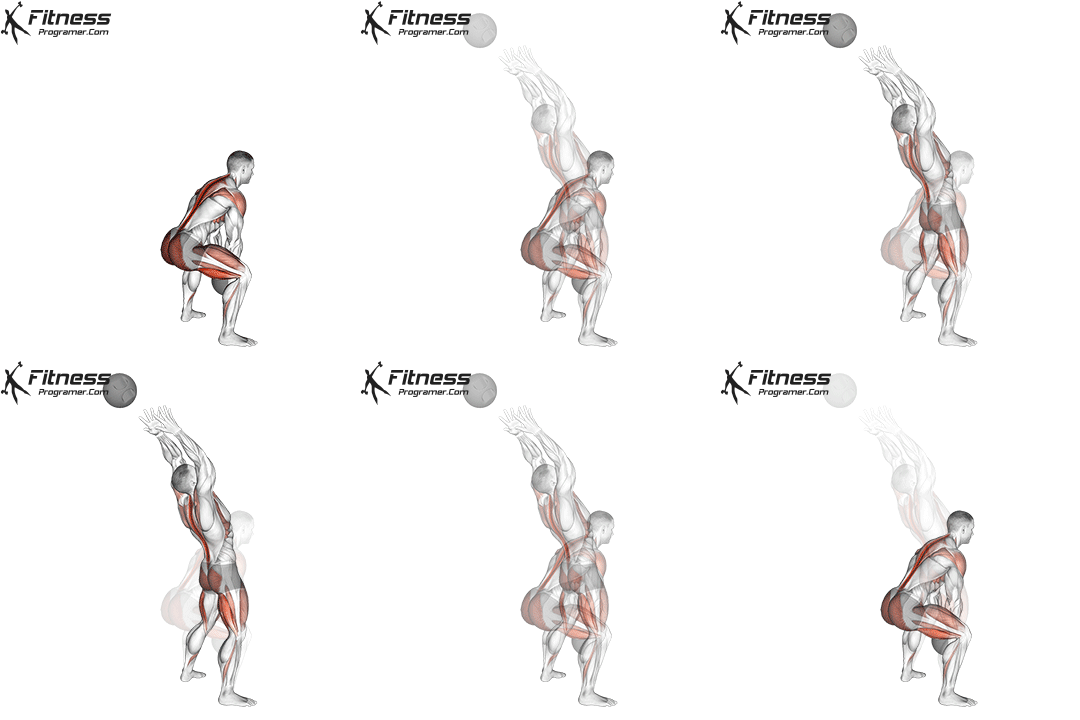
- Ayaklarınız omuz genişliğinde açık, dizleriniz hafifçe bükülü ve göbek bölgeniz angaje olacak şekilde ayakta durarak başlayın.
- Topu sıkı bir şekilde tutun ve bileklerinizin düz olduğundan emin olun.
- Sağlık topunu başınızın üzerine tamamen kaldırarak kollarınızı yukarı doğru uzatın.
- Bu baş üstü pozisyondan, sağlık topunu kuvvetli ve patlayıcı bir şekilde geriye doğru atın.
- Topu geriye doğru fırlatırken, kollarınızın yukarı doğru uzanmasına izin verin. hareketi takip ederek tamamen uzatın.
- Düz bir duruş sergileyin ve atış sırasında stabilite sağlamak için göbek kaslarınızı çalıştırın.
- Sağlık topunu alın ve egzersizi istediğiniz sayıda tekrar yapın.
İpuçları:
- Daha hafif bir sağlık topuyla başlayın ve daha rahat ve güçlendikçe ağırlığı yavaş yavaş artırın.
- Sağlık topunu alın ve egzersizi istediğiniz sayıda tekrarlayın. Backward Medicine Ball Throw, iyi bir duruş sürdürmeye, merkez bölgenizi harekete geçirmeye ve omurganın aşırı kavisli veya yuvarlak olmasından kaçınmaya odaklanın. Egzersiz boyunca bakışlarınızı ileriye doğru tutun ve nötr bir boyun pozisyonunu koruyun.
- Egzersizi gerçekleştirmek için yeterli alana ve güvenli bir ortama sahip olduğunuzdan emin olun.
- Bu egzersizde yeniyseniz, uygun form ve tekniği koruma konusunda size rehberlik edebilecekleri için kalifiye bir antrenör veya koçla çalışmanız önerilir.
- Her zaman olduğu gibi, yeni bir egzersiz programına başlamadan önce, özellikle de altta yatan tıbbi bir durumunuz veya tıbbi durumunuz varsa veya fitness uzmanına danışın. yaralanmalar.
Backward Medicine Ball Throw – Kas Aktivasyonu
Backward Medicine Ball Throw öncelikli olarak üst vücut kaslarını hedef alsa da güç üretmek ve atış için güçlü bir temel sağlamak üzere vücudun alt kısmını, özellikle de kalçaları ve bacakları da içerir.
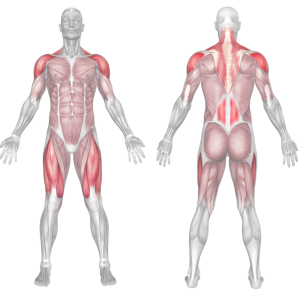
- Deltoidler: Deltoid kaslar, özellikle de ön (ön), orta ve arka (arka) başlar, Backward Medicine Ball Throw sırasında oldukça etkinleşir. Bu kaslar omuzun kaçırılmasına ve uzatılmasına katkıda bulunarak topu geriye doğru itecek kuvveti üretir.
- Latissimus Dorsi: Latissimus dorsi veya "lats" olarak bilinen büyük sırt kasları; Geriye doğru atışta önemli bir rol oynar. Omuz ekstansiyonuna, addüksiyonuna ve iç rotasyona yardımcı olarak fırlatma hareketi sırasında güç ve stabilite sağlarlar.
- Trapezius: Trapezius kasları, özellikle de orta ve alt lifler, skapular hareketi stabilize etmek ve kontrol etmek için etkinleştirilir. Geriye doğru atış boyunca omuz pozisyonunun doğru şekilde korunmasına yardımcı olurlar.
- Rotator Manşet Kasları: Supraspinatus, infraspinatus, teres minör ve subscapularis dahil olmak üzere rotator manşet kasları,
- Temel Kaslar: Backward Medicine Ball Throw stabiliteyi korumak ve gücü vücudun alt kısmından üst vücuda aktarmak için çeşitli çekirdek kasları çalıştırır. Rektus abdominis, oblik kaslar ve erektör spina kasları, fırlatma hareketi için sağlam bir temel oluşturmak üzere birlikte çalışır.
- Erector Spinae: Erector spinae kasları, omurganın uzunluğu boyunca uzanan ve sırtın uzatılmasından ve stabilize edilmesinden sorumlu olan bir grup kastır. Backward Medicine Ball Throw sırasında, bu kaslar uygun duruşu korumak ve hareket boyunca stabilite sağlamak için izometrik olarak çalışır.
- Göğüs Kasları: Göğüs kasları Backward Medicine Ball Throw'ın ana itici güçleri olmasa da, egzersiz sırasında omuz eklemine ve vücudun üst kısmına stabilite ve destek sağlarlar. Özellikle hareketin ilk aşamalarında uygun hizalamanın ve kontrolün korunmasına yardımcı olurlar.
Biyomekanik:
- Kalça ve Diz Uzatma: Geriye doğru atış, kalçaların ve dizlerin güçlü bir şekilde uzatılmasıyla başlar ve vücudun alt kısmından kuvvet üretir. Bu hareket, sonraki üst vücut hareketi için güçlü bir temel oluşturur.
- Üçlü Uzatma: Backward Medicine Ball Throw, ayak bileklerinin, dizlerin ve kalçaların eşzamanlı uzama anlamına gelen üçlü bir uzama içerir. Bu koordineli uzatma, güç üretimini optimize eder ve egzersizin patlayıcı doğasına katkıda bulunur.
- Omuz Kaçırma ve Uzatma: Sağlık topu geriye doğru itildiğinde, omuz eklemi abduksiyona (kolun vücuttan uzağa hareket ettirilmesi) ve ekstansiyona (kolun geriye doğru hareket ettirilmesi) maruz kalır. Bu hareket modeli, omuz kaslarının hareket aralığını ve güç çıkışını maksimuma çıkarır.
- Enine Düzlem Dönüşü: Geriye doğru atış, gövdenin ek güç oluşturmak ve fırlatma hareketini kolaylaştırmak için döndüğü enine düzlem dönüşünü içerir. Bu rotasyon, çekirdek kasların, özellikle de eğik kasların aktivasyonuyla sağlanır.