Yalan Banded Thigh Fly Genel Bakış
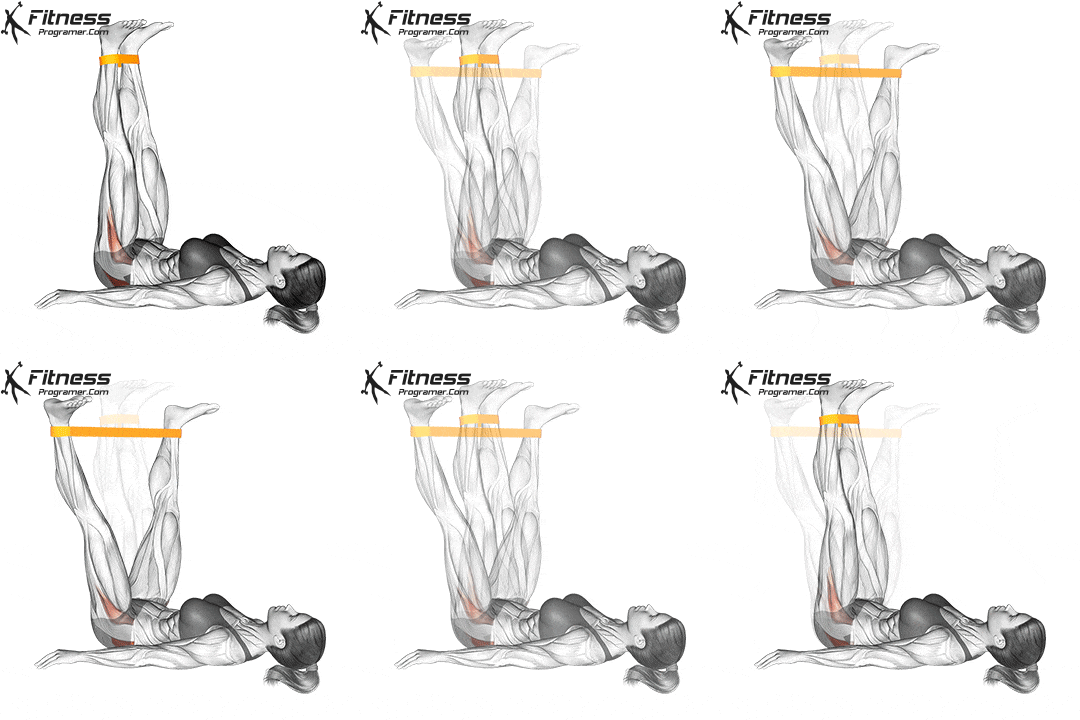
Banded Thigh Fly, ayak bileklerinizin veya uyluklarınızın etrafına sarılmış bir direnç bandıyla sırt üstü yatmayı içeren bir direnç egzersizidir. Hareket, bandın direncine karşı kontrolü korurken bacaklarınızı açıp kapatmanızı gerektirir.
Banded Thigh Fly Nasıl Gerçekleştirilir
Banded Thigh Fly'ın faydaları
1. Kalça Kaslarını ve Kalça Stabilizatörlerini Güçlendirir
Direnç bandı bacaklar dışarı doğru hareket ettiğinde gerginlik yarattığından, gluteus medius ve minimus hareketin kontrol edilmesinde birincil rol oynar. Bu kaslar kalçaların dengelenmesine ve alt vücut kuvvetinin geliştirilmesine yardımcı olur.
2. Kontrollü Hareketle İç Uylukları (Addüktörler) Çalıştırır
Kalça kasları bandın gerginliğine direnen birincil kaslar olsa da iç uyluk kasları (addüktörler) hareketin geri dönüş aşamasında çalışır. Bacakları yeniden bir araya getirmek için kasılırlar, böylece uyluk iç kuvveti ve dayanıklılığı artar.
3. Denge için Merkez Bölgesini Çalıştırır
Bacakları yüksekte tutmak ve hareketi kontrol etmek, özellikle karınlarda ve belde merkez bölgesini meşgul etmeyi gerektirir. Bu, merkez stabilitesini geliştirerek duruşu iyileştirir ve bel rahatsızlığı riskini azaltır.
4. Alt Vücut Dengesini ve Koordinasyonunu Destekler
Bu egzersiz, gluteus medius ve minimus kaslarını güçlendirerek, dengeyi korumak için gerekli olan pelvik stabiliteyi geliştirir. Bu avantaj özellikle düşme riskini azaltmak isteyen sporcular ve yaşlı yetişkinler için faydalıdır.
5. Yaralanmaların Önlenmesine ve Rehabilitasyona Yardımcı Olur
Daha güçlü kalça stabilizatörleri, hizalamayı ve kas kontrolünü iyileştirerek diz ve kalça yaralanmaları riskini azaltır. Bu egzersiz özellikle kalça dengesizliği, kasık gerginliği veya kalça zayıflığı geçiren kişiler için faydalıdır.
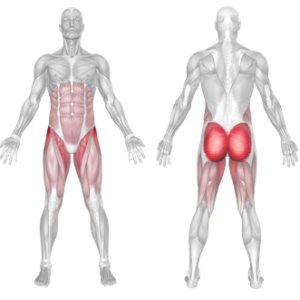
Banded Thigh Fly Çalışan Kaslar