Depth Jump to Hurdle Hop
Depth Jump to Hurdle Hop, patlayıcı güç ve çeviklik gerektiren sporlarda sıklıkla kullanılan gelişmiş bir plyometrik egzersizdir. Bu egzersiz iki plyometrik hareketi birleştirir: derinlik sıçraması ve engelli atlama. Bu egzersizi antrenman programınıza dahil ederek patlayıcı güç, çeviklik ve daha düşük vücut gücünde gelişmeler bekleyebilirsiniz; bu da onu kendi spor dallarında başarılı olmayı hedefleyen sporcular için değerli bir araç haline getirir.
nasıl yapılır:
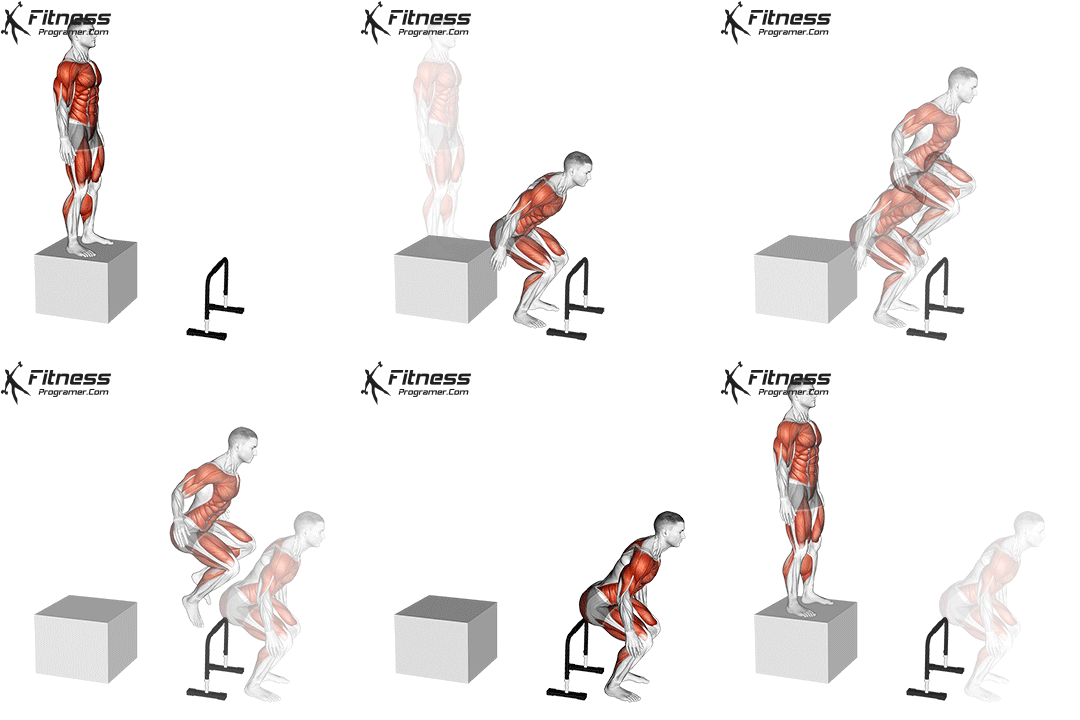
- Engelleri Ayarlayın: Farklı yüksekliklerdeki bir dizi engeli düz bir çizgi halinde düzenleyin ve aralarında inip atlamanız için yeterli boşluk bırakın. bir.
- Derinlik Atlaması:
- Ayaklarınız kalça genişliğinde açık olacak şekilde plyometrik kutunun veya platformun üzerinde durun.
- Kutudan bir adım atarak başlayın ve hızla yere inerek, dizlerinizin darbeyi absorbe etmesi için hafifçe bükülmesine izin verin.
- Ayaklarınız yerle temas eder etmez, kollarınızı ivme için kullanarak hemen patlayıcı bir şekilde yukarı doğru fırlayın.
- Derinlik sıçramasının hızlı ve hızlı olması amaçlanır. güçlü atlama, bu yüzden yerde çok fazla zaman harcamadığınızdan emin olun.
- Engel Atlama:
- Derinlik atlamadan sonra hemen engelli atlama'ya geçin.
- Derinlik atlamadan yükselirken, dizlerinizi yüksekte tutarak ilk engeli aşmayı hedefleyin.
- Engelin diğer tarafına inin ve bir sonrakine hızlıca hazırlanın. hop.
- Tekrarlayın: İstenilen sayıda tekrar veya belirli bir süre boyunca Depth Jump to Hurdle Hop dizisini gerçekleştirmeye devam edin.
İpuçları:
- Hem derin atlama hem de engelli atlama aşamalarında patlayıcılığa ve hıza odaklanın.
- Etkiyi azaltmak ve düşme riskini en aza indirmek için ayak parmaklarınızın ucuna yumuşak bir şekilde inin. yaralanma.
- Egzersiz boyunca uygun vücut duruşunu ve hizalamayı koruyun.
- Düşük bir engel yüksekliğiyle başlayın ve ustalaştıkça bu yüksekliği kademeli olarak artırın.
- Fiziksel olarak zorlu olabileceğinden, bu egzersize başlamadan önce yeterli güce ve kondisyona sahip olduğunuzdan emin olun.
Depth Jump to Hurdle Hop'ın Temel Bileşenleri:
Derinlik Atlaması: Bu egzersiz şu şekilde başlar: bir 'derinlik sıçraması'; yükseltilmiş bir platform veya kutudan. Bu ilk düşüş kaslarınızın esneme-kısalma döngüsünü harekete geçirerek sonraki atlama sırasında daha güçlü bir kasılma sağlar.
Uzatma-Kısalma Döngüsü (SSC): Derinlik sıçraması sırasında, kaslar yere inerken hızlı bir eksantrik (uzama) aşamasından geçer ve ardından dikey olarak zıpladığınızda eşmerkezli (kısalma) bir aşamadan geçer. Bu SSC çok sayıda kas lifini çalıştırarak kuvvet üretimini artırır.
Engel Hoplama: Düşüşün ardından sorunsuz bir şekilde engelli zıplamaya geçiş yaparsınız. Bu aşamada, kendinizi bir engelin veya engelin üzerinden iterek yukarı ve ileri doğru patlarsınız. Egzersizin bu kısmı hassas zamanlama, patlayıcı güç ve mükemmel koordinasyon gerektirir.
Çalışan Kaslar:
Bu egzersiz sırasında çalıştırılan başlıca kaslar şunlardır:
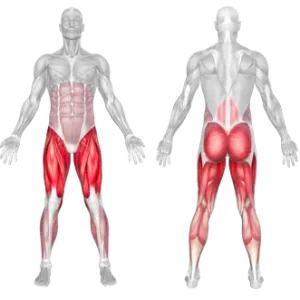
- Kuadriseps (Ön Uyluk Kasları): Kuadriseps kasları, egzersizin atlama aşamasında dizlerinizi uzatmada ve sizi yukarı doğru itmede önemli bir rol oynar. Yerden sıçrarken bacaklarınızı düzleştirmekten sorumludurlar.
- Diz kirişleri (Uyluk Arkası Kasları): Diz arkası kirişleri egzersizin hem düşme (eksantrik aşama) hem de atlama (eşmerkezli aşama) kısımlarında etkinleştirilir. Düşüş sırasında alçalışın kontrol edilmesine yardımcı olurlar ve atlama sırasında patlayıcı yukarı doğru itişe katkıda bulunurlar.
- Kalça Kasları (Kalça Kasları): Gluteal kaslar, özellikle de gluteus maximus, yukarı sıçrama sırasında güç üretmekle yoğun şekilde meşgul olur. Sizi engelin üzerinden itmek için gereken kuvveti sağlamak üzere kuadriseps ve diz arkası kaslarıyla birlikte çalışırlar.
- Baldırlar (Gastrocnemius ve Soleus): Baldır kasları, atlamanın kalkış aşamasında ayak bileklerinizi uzatmada önemli bir rol oynayarak yerden fırlama ve engeli aşma yeteneğinize katkıda bulunur.
- Kalça Fleksörleri: Kalça fleksör kasları, iliopsoas, atlama sırasında bacaklarınızı ve kalçalarınızı kaldırmakla ilgilenir. Dizlerinizi göğsünüze doğru çekmenize yardımcı olur ve engeli aşmak için hayati önem taşıyan kalça fleksiyonuna izin verir.
- Çekirdek Kaslar: Rektus abdominis ve oblikler de dahil olmak üzere çekirdek kaslarınız, egzersiz sırasında stabilite ve destek sağlar. Doğru duruşu korumak ve hareketlerinizi kontrol etmek için güçlü bir çekirdek gereklidir.
- Bel (Erector Spinae): Belinizin alt kısmındaki erektör spinae kasları, egzersiz sırasında dik duruşun korunmasına yardımcı olur. Stabilite sağlarlar ve iniş ve kalkış aşamalarını kontrol etmeye yardımcı olurlar.
- Kalça Addüktörleri ve Abdüktörleri: Uyluklarınızın iç ve dış kısmında bulunan bu kaslar, bacaklarınızın hizasını kontrol etmenize yardımcı olur ve engel üzerinden atlarken uygun formu korumanıza yardımcı olur.
- Ayak Bileği Stabilizatörleri: Tibialis anterior ve posterior gibi ayak bileği eklemini çevreleyen kaslar, ayak bileklerinizi stabilize etmek ve dengeyi sağlamak için gereklidir. güvenli bir kalkış ve iniş.
- Omuz ve Kol Kasları (daha az ölçüde): Depth Jump to Hurdle Hop'ın ana odağı vücudun alt kısmında olsa da, omuz ve kol kaslarınız da denge ve koordinasyona yardımcı olmak için çalıştırılabilir.