Full Planche Nasıl Gerçekleştirilir?
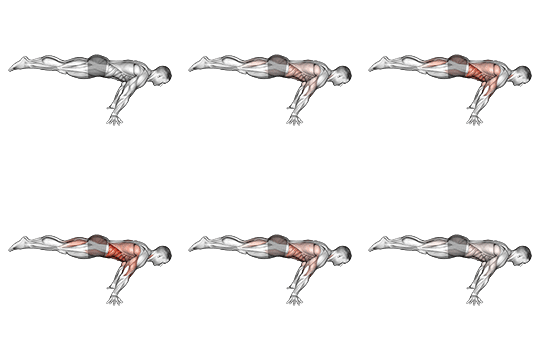
Full Planche işlemini başarıyla gerçekleştirmek için şu adımları izleyin:
Şınav Pozisyonuyla Başlayın: Elleriniz omuz genişliğinden biraz daha geniş olacak şekilde şınav duruşuyla başlayın apart.
Çekirdek ve Omuzları Etkinleştirin: Sırtınızın alt kısmında sarkmayı önlemek için omuzlarınızı öne doğru itin ve göbek bölgenizi harekete geçirin. Kollarınız düz ve tamamen kilitli olmalıdır.
Ayaklarınızı Yerden Kaldırın: Vücudunuz tepeden tırnağa düz bir çizgi oluşturana kadar bacaklarınızı düz tutarak yavaşça yerden kaldırın. ayak parmakları.
Dengeleme ve Tutma: Bacaklarınızı kaldırırken, vücudunuzu yatay konumda dengelemek için ellerinizi ve omuzlarınızı kullanın. Bakışlarınızı ileriye doğru tutun ve tutuşu korumaya odaklanın.
Pozisyonu Koruyun: Full Planche mümkün olduğu kadar uzun süre, dengeye ve vücudun düzgün hizalanmasına odaklanarak. Güç kazandıkça daha uzun süre dayanmayı hedefleyin.
Doğru Form İçin İpuçları
Kolları düz tutun: Gerilmeyi önlemek için kollarınızın tamamen uzatıldığından ve dirseklerde kilitlendiğinden emin olun.
Merkez bölgesini devreye sokun: Düz bir vücut pozisyonunu korumak için karın kaslarınızı ve alt sırt kaslarınızı sıkın.
Ellerinizi itin: Omuzlarınızı dengelemek ve dengeyi korumak için ellerinizi yere bastırın.
Kendinize odaklanın bakış: Vücut hizalamasına yardımcı olmak ve aşırı boyun gerginliğini önlemek için bakışlarınızı ileriye doğru tutun.
Bilek hareketliliği üzerinde çalışın: Bilek esnekliği, Full Planche hareketini yaparken çok önemlidir. rahatsızlık.
Genel Hatalar
Çekirdek bölgesine katılım eksikliği: Merkez bölgesine katılmamak, alt sırtın sarkmasına ve harekette dengesizliğe yol açabilir.
Dirseklerin bükülmesi: Dirseklerin bükülmesi pozisyonu tehlikeye atar ve kollar ile omuzlara aşırı yük bindirir.
Yanlış el yerleştirme: Elleri çok ileri veya geri yerleştirmek dengeyi etkileyebilir ve pozisyonu korumayı zorlaştırabilir.
Bacakları tutmamak düz: Dizleri bükmek regzersizin yoğunluğunu azaltır ve pozisyonu dengesiz hale getirir.
İlerlemeyi hızlandırmak: İlerlemelerin atlanması yaralanmalara ve ustalaşmada zorluklara neden olabilir. Full Planche.
Full Planche'ın faydaları
Vücudun üst kısmını güçlendirir: Full Planche, tüm vücut ağırlığınızı destekleyerek omuzları, kolları ve bilekleri güçlendirir.
Çekirdek bölgesini devreye sokar: Egzersiz yoğun merkez bölgesi aktivasyonu gerektirir, bu da genel merkez bölgesi gücünü ve stabilitesini artırır.
Vücut kontrolünü ve dengeyi geliştirir: Full Planche'ı tutmak, iç algınızı ve baskı altında denge kurma yeteneğinizi geliştirir.
Kas dayanıklılığını artırır: Full Planche'yi uzun süre tutmak, hem üst gövdede hem de göbek bölgesinde kas dayanıklılığı oluşturur.
Esnekliği ve hareketliliği artırır: Bu pozisyon, ustalaşmaya çalışırken bileklerde, omuzlarda ve kalçalarda hareketliliği teşvik eder.
Rutininize Nasıl Dahil Edilir
Full Planche'u rutininize dahil etmeniz kademeli olarak ilerlemeyi gerektirir. planks, şınav ve planche eğilmeleri gibi temel karın ve omuz güçlendirme egzersizleriyle başlayın. Yeterince güç ve denge oluşturduktan sonra, kurbağa duruşu veya kıvırma planche gibi ilerlemeler üzerinde çalışmaya başlayın. Yeteneğinizi geliştirdikçe, yavaş yavaş bekleme sürelerinizi uzatın ve sonunda Straddle Planche Full Planche'ye ulaşmak için forma odaklanın.
Full Planche Çalışan Kaslar