Genel Bakış Medicine Ball Rotational Throw
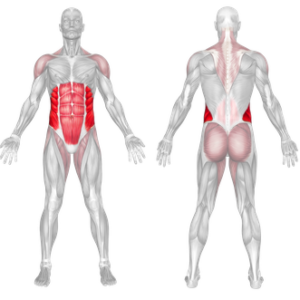
Medicine Ball Rotational Throw sağlık topu fırlatırken gövdenizi patlayıcı bir şekilde döndürmeyi içeren dinamik bir egzersizdir. Merkez bölgesini, eğik bölgeleri, kalçaları ve sırtın üst kısmını hedef alır. Beyzbol, golf ve tenis gibi dönme gücü gerektiren sporlardaki sporculara yönelik güç ve kondisyon programlarında yaygın olarak kullanılır.
Medicine Ball Rotational Throw'ı egzersiz rutininize dahil ederek, çeşitli sporlar ve günlük aktiviteler için yararlı olan çekirdek gücünü, dönme gücünü ve stabiliteyi geliştirebilirsiniz.
Nasıl yapılır:
İşte becerilerinizi ve verimliliğinizi geliştirmenize yardımcı olacak kapsamlı bir kılavuz. bu alıştırmayı gerçekleştiriyoruz.
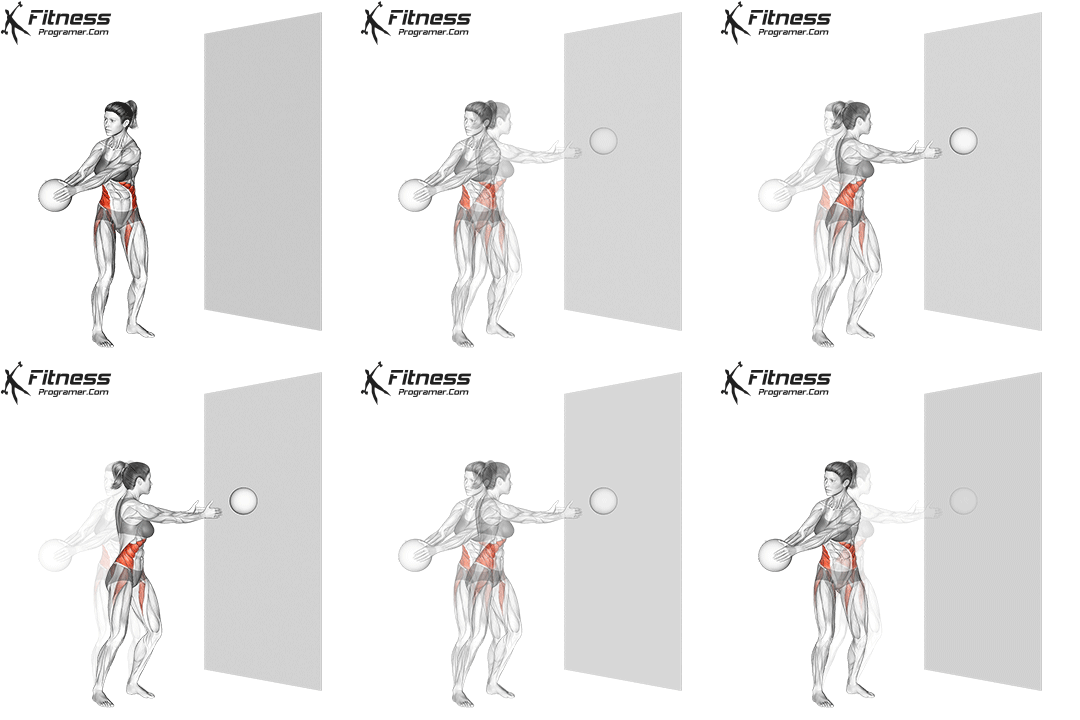
- Başlangıç Pozisyonu: Duvara dönük olarak yaklaşık iki ila dört metre uzakta durun ve iki elinizde bir sağlık topu tutun. Sağlık topu (fitness seviyenize ve hedeflerinize göre uygun bir ağırlık seçin).
- Hareket Hazırlığı: Sağlık topunu kalçanızın arka kısmına götürün. Bu ilk hareket, patlayıcı atışa hazırlanırken topu arka kalçanıza yüklerken gövdenizin dönmesini içerir.
- Ağırlık Transferi: Ağırlığınızı kalçanızın arka kısmından ön kalçanıza aktarın. Bu dinamik ağırlık değişimi, atışta güç üretmenin çok önemli bir bileşenidir.
- Kalça Dönüşü: Topu duvara fırlatırken kalçalarınızı patlayıcı bir şekilde döndürün. Patlayıcı kalça rotasyonu bu egzersizde güç üretmek için önemli bir unsurdur. Sadece kollardan değil, kalçalardan da üretilen gücü vurgulayın.
- Yakala ve Tekrarla: Top duvardan geri döndükten sonra onu iki elinizle yakalayın. Biraz dinlenin ve ardından hareketi tekrarlayın.