Legless Rope Climb
İp tırmanışı, dikey olarak asılı bir ipe tırmanmayı içeren fiziksel bir aktivite veya egzersizdir. Genellikle çeşitli fitness programlarında, sporlarda ve askeri eğitimlerde üst vücut kuvveti, kavrama kuvveti ve genel fiziksel koordinasyonu geliştirmek için bir eğitim egzersizi olarak kullanılır. İp tırmanışları farklı şekillerde yapılabilir ancak en yaygın teknik, ipe tırmanmak için ellerinizi ve ayaklarınızı kullanmayı içerir. Bu egzersiz oldukça zorlu olabilir ve güç, teknik ve dayanıklılığın birleşimini gerektirir.
nasıl yapılır:
'Legless Rope Climb,' olarak bilinen, bacaklarınızı kullanmadan bir ipe tırmanmak. olağanüstü üst vücut gücü ve tekniği gerektiren gelişmiş bir beceridir. İşte Legless Rope Climb işleminin nasıl gerçekleştirileceğine ilişkin adım adım kılavuz:
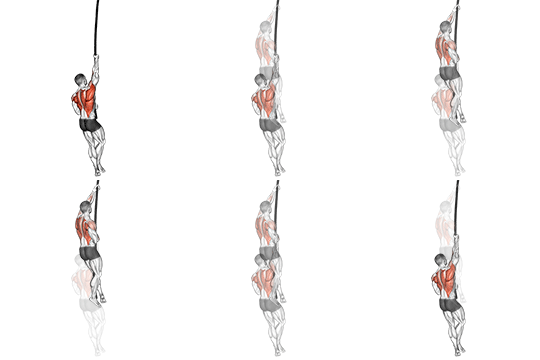
- Kavrama: İpe dönük durarak başlayın. İki elinizle uzanın ve ipi sıkıca tutun. Elleriniz omuz genişliğinde açık olmalı ve avuçlarınız birbirine dönük olmalıdır.
- İçi Boş Vücut Pozisyonu: Bacaklarınızı yerden kaldırırken, çekirdek kaslarınızı çalıştırarak 'içi boş bir vücut' oluşturun. pozisyonu.
- İlk Çekme: Kollarınızı ve göbek bölgenizi kullanarak kendinizi yukarı çekerek tırmanmaya başlayın. Çekmeyi başlatmak için sırtınızı, omuzlarınızı ve kollarınızı devreye sokmanız önemlidir.
- El-Üzerinde-El: İpi dönüşümlü olarak kavramak için el-ödeme hareketini kullanın. Bir elinizle aşağı doğru çekerken diğer elinizle yukarı doğru uzanın. Bu hareket ipte yükselmenize yardımcı olur. Bacaklarınızın harekete dahil olmadığını unutmayın.
- Çekirdek ve Üst Vücut Gücü: Çekirdek kaslarınız stabiliteyi korumada çok önemlidir ve üst vücut gücünüz tırmanışı yönlendirecektir. Kontrollü hareketlere odaklanın ve tüm vücudunuzdaki gerilimi koruyun.
- Sürekli Tırmanın: İçi boş gövde pozisyonunu korurken el ele hareketine devam edin. Çekme gücünü oluşturmak ve ipi tutuşunuzu korumak için kollarınızı kullanın.
- Üst Pozisyon: Halatın tepesine veya istediğiniz yüksekliğe ulaşana kadar tırmanmaya devam edin. Üst kısımda, ipi kavramak ve gerekirse kendinizi dengelemek için kollarınızı kullanabilirsiniz.
İniş: İnmek için, ipten aşağıya doğru inerken kontrolü koruyarak, her seferinde bir elinizi yavaşça bırakın. Gerekirse inişe yardımcı olmak için bacaklarınızı kullanabilirsiniz.
İpuçları:
- Legless Rope Climbing olağanüstü üst vücut kuvveti, göbek bölgesini kavrama ve kavrama kuvveti gerektirir. Denemeden önce iyi hazırlandığınızdan emin olun.
- Üst vücudunuzu ve kavrama kaslarınızı iyice ısıtın.
- Ellerinizi ip yanmasından korumak için eldiven kullanın.
- Doğru tekniği korumaya ve vücudunuzu çukur bir pozisyonda tutmaya odaklanın.
Legless Rope Climb Faydaları
Üst Vücut Gücü: Legless Rope Climbing, sırt, omuzlar, kollar ve göğüs de dahil olmak üzere üst vücudunuzdaki kasları yoğun bir şekilde hedefler. İpte yükselmek için gereken çekme hareketi, bu kas gruplarında kuvvetin geliştirilmesine yardımcı olur, kas gelişimini ve fonksiyonel kuvveti destekler.
Kavrayış Gücü: İpi bacaklarınızın yardımı olmadan tutmak güçlü bir tutuş gerektirir. Bu egzersiz, çeşitli atletik aktivitelerde ve fonksiyonel hareketlerde değerli olan kavrama gücünüzü önemli ölçüde artırabilir.
Çekirdek Hareketi: Legless Rope Climb sırasında uygun formu ve dengeyi korumak için göbek kaslarınız sürekli olarak çalışır. Bu egzersiz, daha iyi duruş ve genel stabiliteye katkıda bulunarak çekirdek kaslarınızı güçlendirmenize yardımcı olabilir.
Vücut Kontrolü ve Koordinasyonu: Legless Rope Climbing, dengeyi korumak ve el ele hareketini etkili bir şekilde gerçekleştirmek için hassas vücut kontrolü ve koordinasyon gerektirir. Bu, genel vücut farkındalığınızı ve koordinasyonunuzu geliştirebilir.
Fonksiyonel Kondisyon: Legless Rope Climbing, engellere tırmanmak veya yüksekliğe tırmanmak gibi gerçek dünyadaki hareketleri taklit eden işlevsel bir egzersizdir. Bu, çeşitli fiziksel zorluklarla ve günlük aktivitelerle başa çıkma yeteneğinizi geliştirebilir.
Kardiyovasküler Dayanıklılık: İple tırmanma, özellikle bacaksız varyasyonda, güç ve dayanıklılığın bir kombinasyonunu gerektirir. İpte kendinizi yukarı çekmek için harcadığınız yoğun çaba, kalp atış hızınızı yükseltebilir ve kardiyovasküler kondisyona katkıda bulunabilir.
Atletik Performans: Legless Rope Climbing'den kazanılan güç ve beceriler, üst vücut gücü, kavrama ve koordinasyon gerektiren diğer sporlarda ve fiziksel aktivitelerde performansın artmasına dönüşebilir.
Legless Rope Climb Çalışan Kaslar
- Üst Sırt Kasları: Latissimus dorsi ve trapezius dahil üst sırtınızın kasları, çekme hareketini başlatmak için çok önemlidir. Vücudunuzu ipte yukarı çekerken, bu kaslar kasılarak itici kuvveti oluşturur.
- Omuz Kasları: Deltoid kaslar, tırmanış sırasında kol hareketinizi kontrol etmede ve stabilize etmede önemli bir rol oynar. Vücudunuzu kaldırmanıza yardımcı olurlar ve el ele tutuşma hareketinin akışkanlığına katkıda bulunurlar.
- Bisepsler ve Önkollar: Brachioradialis ve bilek fleksörleri de dahil olmak üzere biceps brachii ve önkol kaslarınız, ipi sıkı bir şekilde kavramak ve çekme gücü oluşturmak için sinerjik olarak çalışır. Yükseldikçe bu kaslar sürekli gerginliğe dayanır.
- Temel Kaslar: Sabit bir içi boş vücut pozisyonunu korumak Legless Rope Climbing'in anahtarıdır. Rektus abdominisleriniz, oblikleriniz ve transvers abdominisleriniz çekirdek stabilitesi sağlamak ve aşırı sallanmayı veya bükülmeyi önlemek için devreye girer.
- Göğüs Kasları: Pektoralis majör, özellikle üst kısım, vücudunuzu yukarı kaldırırken çekme hareketine yardımcı olur. Bu kaslar üst vücudunuzun genel gücüne katkıda bulunur.
- Kulak kemiği stabilizatörleri: Eşkenar dörtgenler ve serratus anterior gibi kürek kemiğini stabilize eden kaslar, tırmanma sırasında kürek kemiklerinizi göğüs kafenize karşı güvende tutmada hayati bir rol oynar. Bu stabilite, kontrolünüzü ve verimliliğinizi artırır.
- Kavrama ve Önkol Fleksörleri: Flexordigitorum profundus ve flexordigitorum superficialis de dahil olmak üzere kavramadan sorumlu kaslar, ipi kavramanızı sürdürmek için sürekli olarak kasılır.
- Alt Sırt Kasları: Ana hareket ettiriciler olmasa da, erektör spinae gibi alt sırt kasları düz bir duruşun korunmasına ve aşırı aşırılığın önlenmesine yardımcı olur. kavisli.
- Kalça Fleksörleri ve Kalça Kasları: Bu kaslar, tırmanış boyunca içi boş vücut pozisyonunu korurken alt vücudunuzun dengelenmesinde küçük bir rol oynar.